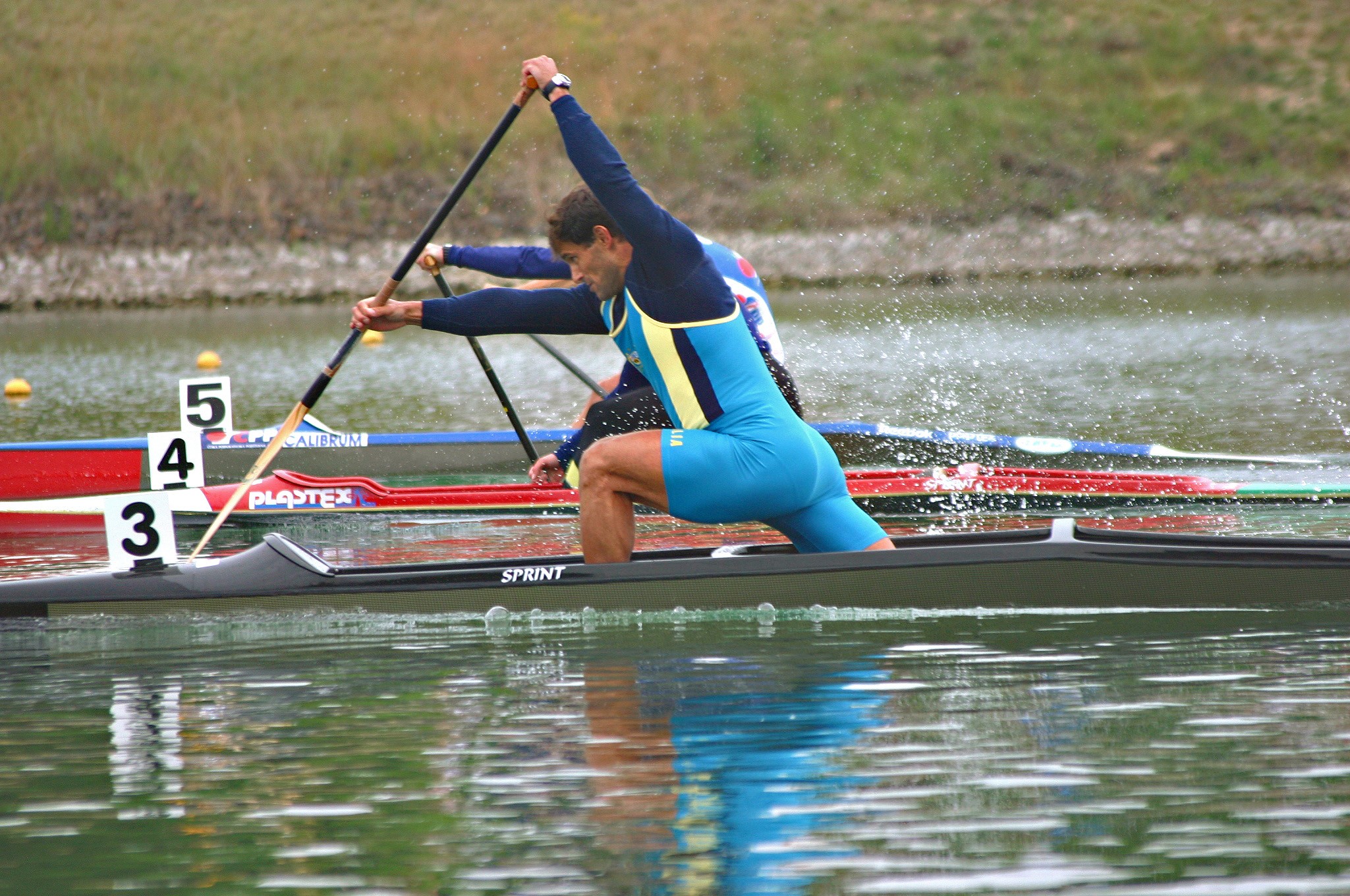
How many coaches are happy to reveal their “secret” formula? Martin’s view is refreshingly unromantic: the foundations of a successful training programme are not secret at all. They are just easy to ignore when athletes want faster results than physiology is willing to provide.
The first requirement is individualisation. A training plan only becomes useful when it reflects the athlete in front of it:
- current level
- relevant personal bests
- discipline and event focus
- weekly availability
- real target regattas
The more honest the inputs, the more useful the plan. If the information is vague, flattering, or out of date, the output becomes theatre.
That honesty also has to continue during the season. If work changes, the weather turns ugly, priorities shift, or an injury appears, the plan needs to be updated to match. The programme cannot adapt to information the athlete never provides.
Execution matters as much as design
Once the programme is in place, the athlete’s implementation becomes the deciding factor. Martin’s core point is simple: the same plan can lead one athlete forward and leave another spinning in place, depending on how it is followed.
That starts with belief. If you do not trust the process, every session becomes a negotiation. If you do trust it, consistency becomes much easier when the days are hard and the results are not immediately flattering.
Positive thinking here is not motivational wallpaper. It is a practical requirement for staying on task when fatigue is high and progress is not yet visible.
You are not supposed to feel brilliant every day
One of the most useful reminders in the original article is that a programme is designed to improve the athlete broadly, but top form only appears at the right times. Most days are not meant to feel like personal-best days.
That is because training relies on an alternation between:
- workload
- fatigue
- recovery
- adaptation
During the work phase, you will often feel heavy and underwhelming. That does not automatically mean the plan is broken. It usually means the plan is doing its job.
Do not cram missed sessions into the next few days
Martin is especially blunt on this point: if you miss a session or two, do not try to force them back into the following days as punishment for having a life.
That instinct breaks the intended alternation of work and recovery. It turns a planned load into a messy one and usually creates extra fatigue without restoring the original logic.
If the interruption is brief, continue with the next scheduled day. If the interruption is more serious, update the plan properly instead of inventing your own rescue mission.
A successful programme is not just a list of sessions. It is also a seasonal structure. Main competitions deserve different treatment from stepping-stone races, and the year should be organised around those priorities.
Martin’s original piece points to block periodisation as a particularly useful way to think about this. The skeleton of preparation remains recognisable, but its length and emphasis can change depending on the time between important competitions.
This matters because modern paddling seasons rarely revolve around only one race. Athletes still need clear priorities, but they also need a structure that keeps them useful across the season rather than peaking once and then drifting into the reeds.
Taper is where precision matters
The final element Martin highlights is taper. This is the period before the main competition where volume is reduced enough to let the athlete freshen up without losing race sharpness.
That balance is delicate:
- too much work and the athlete arrives tired
- too little work and the athlete arrives flat
The right taper creates an athlete who feels fit, quick, sharp, and ready to race rather than merely rested. It is one of the clearest examples of why the details matter and why good feedback after major races helps refine the plan further.
The useful takeaway
Successful training programmes are not built from secrets. They are built from accurate inputs, honest communication, trust in the process, patience with fatigue, sensible periodisation, and careful tapering.
None of that is especially glamorous. It is, however, the stuff that actually works.