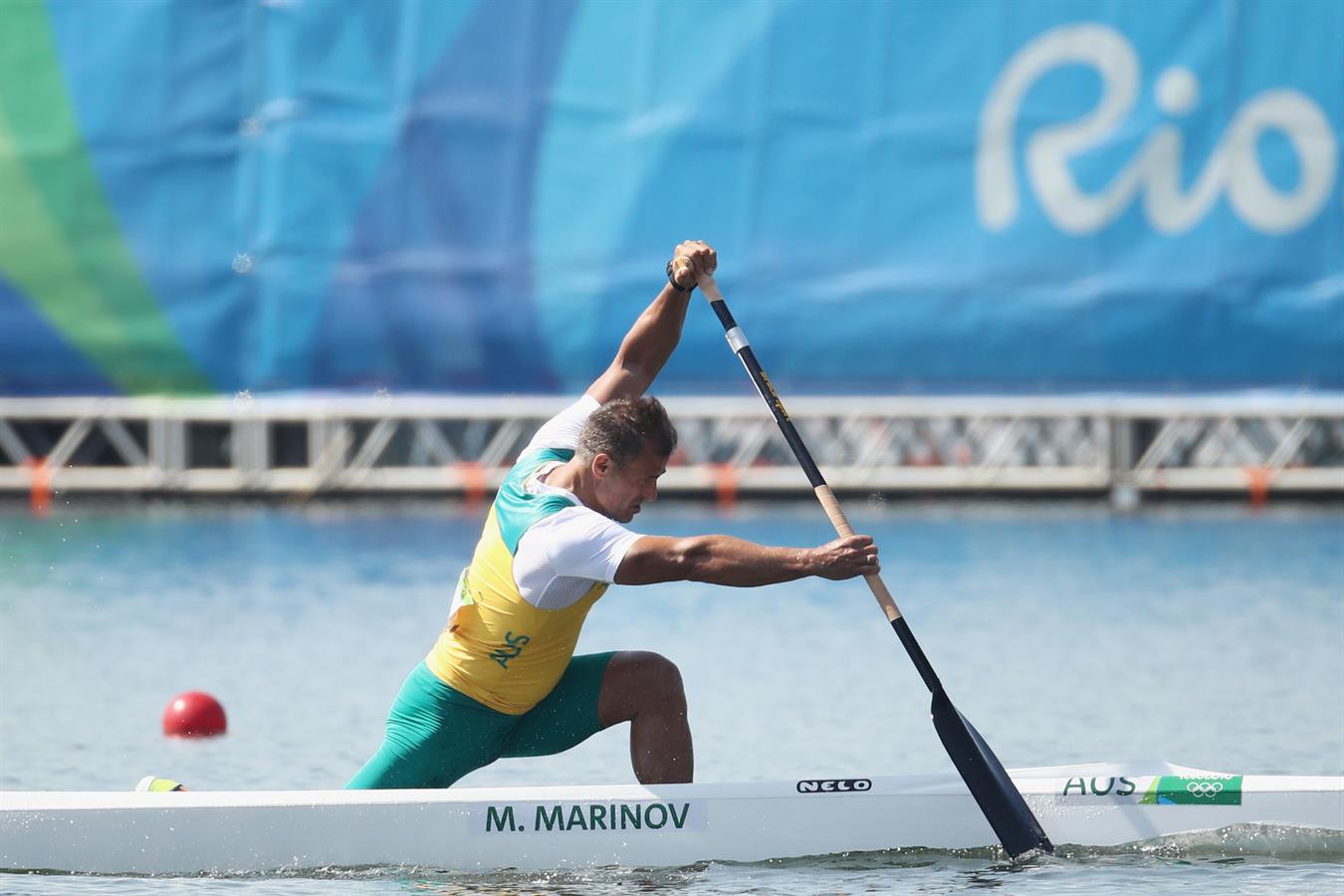
What counts as a “big race”? For a handful of paddlers, it is an Olympic final. For everyone else, the answer is more personal, but Martin’s point is the same: every athlete should have at least one proper target each season.
A target changes behaviour. It makes training decisions sharper, turns rough-weather excuses into less convincing theatre, and gives structure to the season instead of leaving the year to drift.
A real target improves motivation
When athletes know which race matters most, they are more likely to:
- train when they are tired
- organise their week around key sessions
- stay disciplined when life gets busy
- make sensible sacrifices in service of a clear outcome
Without a target, training tends to flatten out into something average. Competitive paddling rewards direction, not vague good intentions.
Big races are prepared well before race month
Martin is clear that major goals demand long-term planning. If your long-term aim is years away, the early years should deal with the changes that take time:
- technique corrections
- strength development
- body composition changes
- broader physical capacity
Those are not details to bolt on at the last minute. If you need a major technical change or a serious strength block, it has to happen early enough that the rest of the programme can stabilise around it.
Accept your current level before the race
One of the most useful ideas in the original article is psychological rather than physiological: by the time the main race arrives, most athletes still feel they could use more time.
That feeling is normal. Improvement is open-ended. There is always another area to sharpen.
The job before a target race is not to become magically complete. It is to accept your current level, maximise your current potential, and race honestly from there.
Taper by reducing volume, not by going soft
For the last few weeks before the main competition, Martin recommends lowering training volume while keeping intensity and quality intact. That balance matters.
If you simply stop working, you might feel rested but not ready to race. If you keep too much volume, you arrive tired.
The point of the taper is to freshen the athlete without blunting the work already built. That is why the final stretch should feel controlled rather than chaotic.
Keep the routine familiar
As the main race approaches, routine becomes useful:
- sleep timing should become predictable
- wake-up timing should resemble race days
- warm-up and warm-down habits should already be rehearsed
- any changes to race preparation should be tested in training first
Martin’s advice here is excellent because it is so unflashy: do not experiment during your main competition. If it has not been tested in training, race week is not the time to pretend otherwise.
Manage fuelling with the taper
Reducing training volume also reduces energy demand. Athletes often forget this and keep eating like they are still in the heaviest block of the year.
The adjustment should mirror the training:
- reduce volume
- keep quality
- avoid unnecessary body-weight creep
That matters for everyone, and Martin notes it can be especially important for athletes who are sensitive to small changes in body mass heading into competition.
The useful takeaway
Getting ready for a big race is less about finding a magical final-week trick and more about doing a long list of ordinary things properly:
- choose a real target
- plan far enough ahead
- accept your current level
- taper with precision
- keep routines familiar
- avoid race-week experiments
That is not glamorous. It is simply how athletes give their best work a chance to appear on the right day.